If you’ve ever noticed small, rough, or slightly red bumps on your arms, thighs, or buttocks, you’re likely familiar with Keratosis Pilaris (KP). Often referred to as “chicken skin” due to its distinct appearance, this remarkably common and frustrating bumpy skin condition affects millions of people across the United States. While KP is entirely harmless, it’s merely a cosmetic issue, the pursuit of clearer, smoother skin texture is a valid goal for many. The bumps are caused by a buildup of keratin, a natural skin protein, which forms follicular plugs, effectively blocking the hair follicle. Understanding this mechanism is the first step toward finding an effective treatment for KP skin.
The good news is that while KP is a chronic condition, it is highly manageable. An aggressive, consistent therapeutic regimen that combines exfoliation with deep moisturization is the tried-and-true method for KP management.
Foundation of Care: Hydration and Emollients
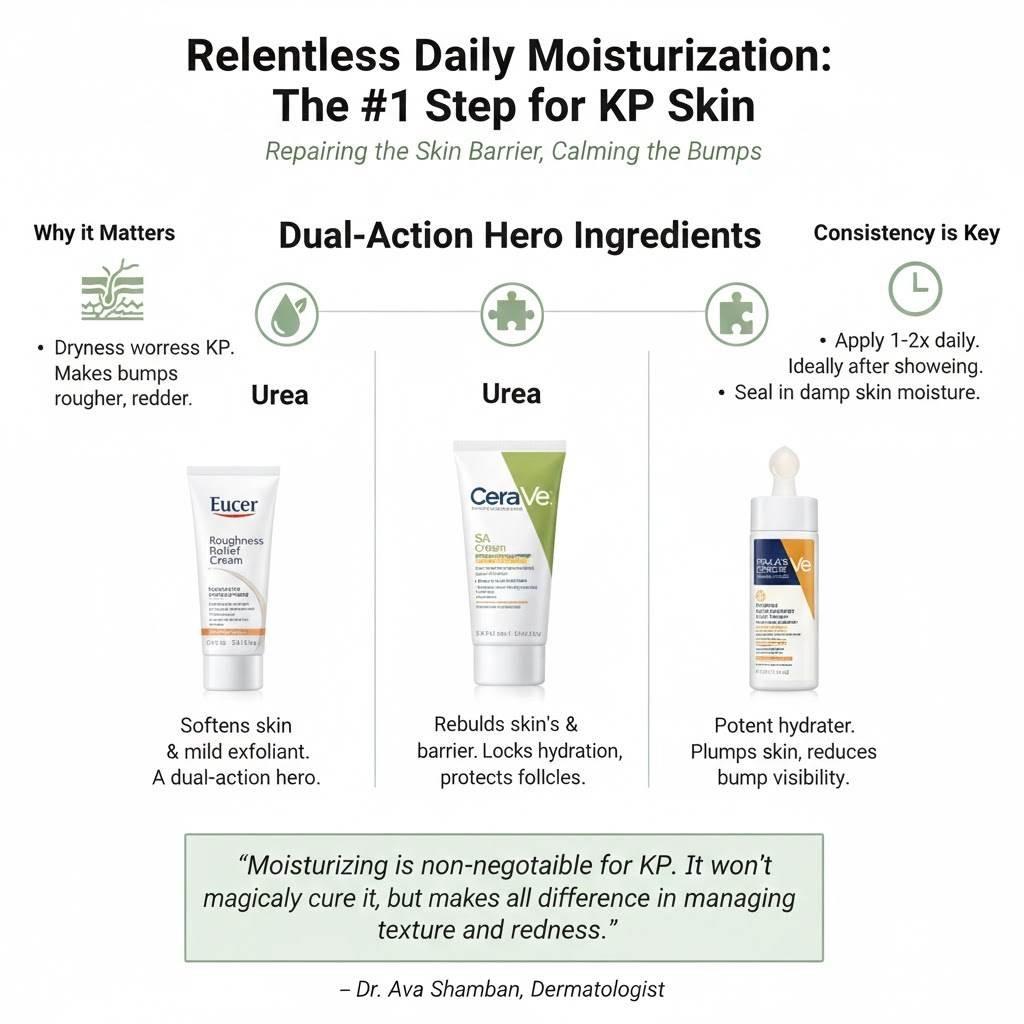
The single most crucial step in any treatment for KP skin plan is relentless, daily moisturization. When the skin is dry, the condition tends to worsen, making the bumps feel rougher and appear redder.
To combat this dryness, you must choose rich, emollient-heavy moisturizers that do more than just sit on the surface. Look for creams containing ingredients designed to repair the skin barrier and draw moisture into the skin:
- Urea: This humectant softens the skin and is also a mild exfoliant, making it a dual-action hero.
- Ceramides: These naturally occurring lipids help rebuild and restore the skin’s barrier function, locking hydration in and protecting the follicle.
- Hyaluronic Acid: A potent hydrator that can hold significant amounts of water, plumping the skin and temporarily reducing the visibility of the bumps.
Consistency is key here. Apply your chosen cream at least once, but preferably twice, daily, ideally right after showering to seal in moisture while your skin is still damp.
Core Strategy: Chemical Exfoliation
Since KP is fundamentally a buildup of keratin, the most effective treatment for KP skin involves gently dissolving those follicular plugs. The best way to do this is through chemical exfoliation, which is far gentler and more effective than scrubbing with harsh physical exfoliants.
Alpha and Beta Hydroxy Acids (AHAs & BHAs)
These acids are the gold standard for reducing the texture and appearance of KP. They loosen the bonds between dead skin cells, allowing the excess keratin to shed more easily.
- Alpha Hydroxy Acids (AHAs):
- Lactic Acid and Glycolic Acid are the most common. Lactic acid is often preferred because it is a larger molecule and a slightly gentler exfoliant that also acts as a humectant. Look for lotions containing these acids in concentrations typically ranging from 5% to 15%. They work by removing the top layer of dead skin and smoothing the surface texture.
- Beta Hydroxy Acids (BHAs):
- Salicylic Acid is oil-soluble, meaning it can penetrate deeper into the hair follicle. While AHAs are excellent for softening dry, rough KP, salicylic acid is often preferred if your KP also presents with mild inflammation or acne-like lesions.
When using these potent treatments, start slow perhaps every other day, to prevent irritation.
Advanced and Prescription-Strength Solutions
When over-the-counter (OTC) products fail to provide the desired skin texture improvement, it may be time to consult a board-certified dermatologist who can prescribe stronger treatments or offer in-office therapies.
Topical Retinoids
Derivatives of Vitamin A, such as tretinoin (prescription) and adapalene (available OTC in lower concentrations), are often prescribed for resistant KP. Retinoids work by promoting rapid cell turnover, which helps prevent the formation of new keratin plugs. While highly effective, they can cause initial dryness, redness, and sun sensitivity, so they require careful, consistent use under a doctor’s guidance.
Professional and In-Office Procedures
For individuals whose KP includes significant redness (Keratosis Pilaris Rubra) or persistent inflammation, a dermatologist may recommend advanced therapeutic options:
- Vascular Laser Therapy: Lasers targeting blood vessels (like the pulsed dye laser) can significantly reduce the persistent redness associated with KP.
- Microdermabrasion or Chemical Peels: These procedures can physically or chemically resurface the skin more aggressively than at-home treatment for KP skin products, providing a jumpstart to a smoother complexion.
Summary of Effective Treatment for KP Skin
The most successful therapeutic regimens for KP involve a multi-pronged approach tailored to your skin’s sensitivity.
| Treatment Category | Key Ingredients/Actions | Frequency | Primary Benefit |
| Daily Moisturizer | Urea, Ceramides, Hyaluronic Acid | Twice Daily | Hydrates, repairs barrier, prevents excessive drying. |
| Chemical Exfoliant | Lactic Acid, Glycolic Acid, Salicylic Acid | Daily or Every Other Day | Dissolves keratin plugs, smooths skin surface. |
| Prescription Therapy | Topical Retinoids (Tretinoin, Adapalene) | As Directed by Doctor | Accelerates cell turnover, prevents new plug formation. |
| Lifestyle Adjustments | Lukewarm showers, gentle clothing | Daily | Minimizes irritation and inflammation. |
Lifestyle Adjustments for Optimal Results
Your bathing and dressing habits also play a significant role in keratosis pilaris management. Making small lifestyle tweaks can enhance the effectiveness of your treatment lotions and creams.
- Avoid Hot Water: Long, hot showers strip your skin of natural oils, exacerbating dryness and inflammation. Stick to lukewarm, short showers.
- Use a Humidifier: Especially during dry winter months, a humidifier adds moisture to the air, which in turn helps keep your skin hydrated.
- Be Gentle: Never pick, scratch, or aggressively scrub the bumps. Physical trauma causes irritation and can lead to post-inflammatory hyperpigmentation (dark spots). When cleansing, use a soft cloth or your hands, not harsh loofahs or brushes.
The journey to consistently clear skin is one of patience and persistence. While there is no definitive cure, a proactive and gentle approach focused on exfoliating and hydrating the affected areas is the most reliable treatment for KP skin. With a consistent regimen, you can significantly minimize the appearance of these bumps and enjoy smoother, healthier-looking skin.