In the modern quest for robust health and undeniable beauty, consumers often turn to specialized nutritional support. Among the most popular are supplements specifically formulated to enhance the health and appearance of hair, skin, and nails (often abbreviated as HSN). These compounds, commonly marketed as hair skin and nails vitamins, promise to deliver key nutrients that may be lacking in the standard American diet, helping users achieve glowing skin, strong fingernails, and luscious locks.
The market is saturated with these beauty supplements, but what exactly are they, how do they work, and are they truly effective? Understanding the ingredients, potential benefits, and risks is crucial before integrating them into your daily regimen.
Core Ingredients: The Power Players for Beauty

A typical hair skin and nails vitamins supplement is not a single product but a complex blend of vitamins, minerals, and other structural components. While formulations vary, they generally focus on delivering high doses of nutrients scientifically linked to cell turnover, collagen production, and keratin synthesis.
The undisputed superstar of almost every HSN formula is Biotin (Vitamin B7). This B-complex vitamin is essential for metabolizing fatty acids and amino acids, which are the building blocks of keratin, the primary protein in hair and nails. Many people experiencing brittle nails or thinning hair are encouraged to try Biotin supplements.
Beyond Biotin, these supplements are packed with other essential micro-nutrients:
| Key Ingredient | Primary Function for Beauty | Evidence and Role |
| Biotin (Vitamin B7) | Supports keratin infrastructure; crucial for hair and nail growth. | Most researched component; beneficial for those with true deficiency. |
| Vitamin C (Ascorbic Acid) | Essential for the synthesis of collagen, a protein that provides structure to the skin. | A powerful antioxidant that protects skin cells from damage. |
| Vitamin E | Skin moisturization and repair; powerful antioxidant properties. | Protects cells from oxidative stress and environmental damage. |
| Zinc | Essential for protein synthesis and cell division; supports wound healing. | Deficiency can lead to hair loss and slow wound healing. |
| Collagen Peptides | Provides structural scaffolding to the dermis (skin layer). | Promotes skin elasticity and hydration, minimizing the appearance of fine lines. |
| Selenium | Maintains tissue elasticity and protects the body from free radicals. | Supports healthy hair growth and overall skin health. |
| Hyaluronic Acid | Attracts and retains moisture in the skin. | Contributes to a plump, hydrated, and youthful complexion. |
Uses and Benefits: What to Expect
The main draw of HSN supplements is their potential to fill nutritional gaps that manifest as outward beauty concerns. When taken consistently, consumers often report several beneficial uses:
- Enhanced Hair Vigor: For individuals whose hair health is compromised by poor diet, stress, or nutrient malabsorption, these supplements can offer a boost. Key ingredients like Biotin and Zinc contribute to a healthier hair follicle environment, potentially leading to faster growth and thicker strands.
- Improved Complexion and Hydration: Components like Vitamin C, Vitamin E, and Collagen work synergistically to improve skin texture. Vitamin C aids in collagen production, lending firmness, while Vitamin E provides antioxidant protection against UV damage. Hyaluronic Acid dramatically boosts skin hydration, leading to a plumper, less dry complexion.
- Stronger Nails: Brittle, splitting, or weak nails are often a primary motivation for starting these vitamins. Biotin, in particular, has been shown in some studies to increase nail plate thickness and reduce splitting in those with fragile nail syndrome.
Potential Side Effects and Safety Considerations
While generally considered safe, especially when consumed at recommended dosages, it’s important to remember that these are powerful nutritional agents. Over-supplementation, particularly with fat-soluble vitamins (A, D, E, K), can lead to toxicity, although this is rare with commercial HSN blends.
The most commonly reported issue associated with hair skin and nails vitamins, particularly those high in Biotin, involves laboratory test interference. High levels of Biotin can skew the results of certain clinical blood tests, including those for thyroid function and cardiac markers. It is crucial to inform your healthcare provider that you are taking HSN supplements before any lab work.
Other potential side effects include:
- Digestive Issues: Nausea or stomach upset, particularly if taken on an empty stomach.
- Acne: Some users report breakouts, possibly due to high doses of Biotin interacting with other B vitamins.
- Drug Interactions: Zinc and high doses of Vitamin E can interfere with certain medications, including antibiotics and blood thinners.
As with any supplement, consulting a physician or registered dietitian is the best practice to determine if these vitamins are necessary for your individual health profile.
Choosing the Right Supplement
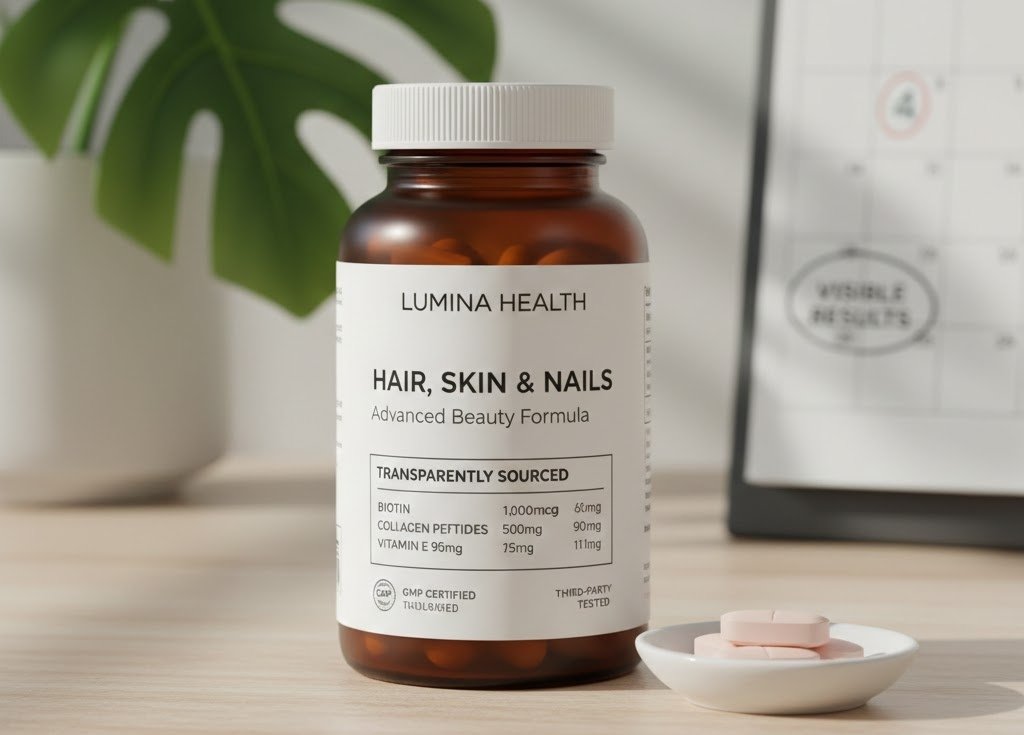
When selecting a multi-vitamin designed to enhance your appearance, focus on quality and transparency. Look for products that adhere to strict manufacturing standards and list their ingredients clearly. Avoid proprietary blends that hide specific ingredient amounts. Since the effects of hair skin and nails vitamins can take time to become visible, it takes about three to six months for new hair and nail cells to emerge, patience and consistency are vital to evaluating their true efficacy.
Conclusion
Hair skin and nails vitamins offer a promising, convenient way to support external beauty from the inside out. They are best utilized not as a cure-all, but as a dietary supplement to a balanced lifestyle. By understanding the roles of key compounds like Biotin, Collagen, and Zinc, consumers can make informed decisions and potentially unlock noticeable improvements in their overall physical vitality and aesthetics.